Why More Viewers Are Switching to Vsee Boxes for Affordable Reliable Entertainment

Cable used to feel like the default. You signed up, got a box, learned the remote, and paid the bill every month whether you watched 10 channels or 200.
That’s changing fast. More people want entertainment that feels simpler, more flexible, and easier on the budget. That’s where Vsee boxes have been getting attention. They offer a familiar TV experience without the old cable routine, and for many households, that’s enough reason to rethink how they watch.
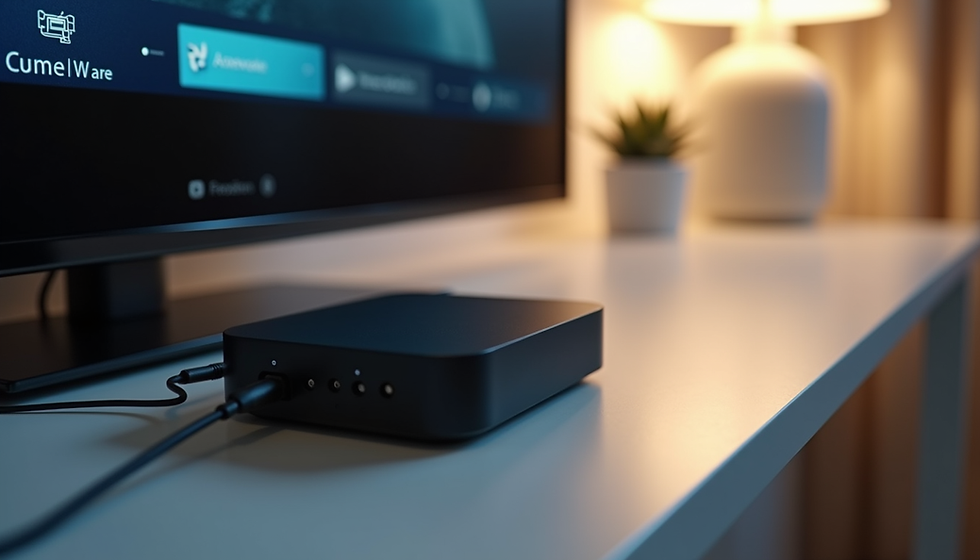
A Vsee box gives viewers a compact media device that connects to a TV and internet connection, making it easier to access streaming apps, live content options, movies, shows, sports, and on-demand entertainment. The appeal isn’t just one feature. It’s the mix of convenience, content variety, steady playback, and lower monthly costs when compared with traditional cable packages.

Vsee boxes make watching TV feel simple again
One of the biggest reasons people like Vsee boxes is that they don’t feel complicated.
Traditional cable menus can be clunky. Some streaming sticks also make viewers bounce between apps, passwords, profiles, and subscriptions. A good media box experience pulls more of that into one place, so finding something to watch takes less effort and less subscription fees.
The interface is usually built around easy navigation. That matters more than people think. After a long day, nobody wants to troubleshoot a device just to watch a show.
Common interface features that make Vsee boxes appealing include:
Simple home screen
Content apps and viewing options are easy to find without digging through endless menus.
Remote-friendly controls
The experience is designed for TV viewing, not for typing, swiping, or using a phone as a workaround.
Clear categories
Movies, shows, live options, sports, and popular apps are easier to browse when they’re grouped in a way that makes sense.
Quick setup
Most users care about getting from box to couch as fast as possible. Plugging in a device, connecting Wi-Fi, and signing into services feels much better than waiting for a technician.
For less tech-heavy households, this is a huge selling point. The device feels approachable. Kids can use it. Parents can use it. Guests don’t need a tutorial. That everyday ease is one reason media boxes have become part of the broader “Cut The Cord!” conversation.
Content variety is the real draw
Cost gets people interested, but content keeps them using the box.
Vsee boxes are appealing because they can open the door to a wide range of entertainment options. That can include on-demand movies, TV series, live programming, music apps, international content, sports apps, fitness videos, and more.
The key word is choice.
Cable bundles often force people into packages. A household might need to pay for a large channel lineup just to get a few favorites. Streaming through a media box gives viewers more control over what they actually watch.
That variety works especially well for homes with mixed tastes. One person wants live sports. Someone else likes crime documentaries. Another prefers kids’ programming, anime, classic movies, cooking shows, or international channels. A Vsee box can help bring those options together through a single TV-connected device.

The savings can be hard to ignore
Cable bills have a way of growing. The advertised price looks one way, then equipment fees, taxes, premium channels, and add-ons push the monthly total higher.
That’s where Vsee boxes get a lot of attention. A media box may involve an upfront device cost, then the user can choose what they want to watch.
Here’s the basic difference:
Traditional cable | Vsee box setup |
Often includes a monthly equipment rental | Usually a one-time device purchase |
Packages may include many unwanted channels | Viewers choose their own favorite content |
Contracts or promotional pricing may apply | One-time low cost, no monthly recurring fees or rate hikes. |
Price can rise after intro periods | No monthly fees. |
Technician setup may be required | Many users can set it up themselves |
The savings won’t look the same for every household. Someone who subscribes to several premium streaming services, live TV apps, and sports packages will save much more. But the shift is about control. Instead of paying for a bundle built by a cable company, users can build their own entertainment mix.
That’s a major reason people are switching. They’re not always trying to spend nothing. They’re trying to stop paying for things they don’t use.
Streaming quality has gotten much better
A few years ago, streaming had a reputation problem. People worried about buffering, fuzzy picture quality, app crashes, and audio delays. Those issues still can happen, but the overall experience has improved a lot.
Modern media boxes are built for high-quality streaming. When paired with a strong internet connection and reliable apps, they can deliver smooth playback, sharp picture quality, and steady sound. Many users switch because the experience feels close to cable, and sometimes better.
Streaming quality depends on a few things:
Internet speed and stability
Wi-Fi strength near the TV
The app or service being used
The device hardware
The quality of the original video stream
Home network traffic from phones, tablets, and gaming systems
This is where setup matters. A Vsee box placed far from the router may not perform as well as one with a strong Wi-Fi signal. Homes with thick walls, busy networks, or older routers may need a small upgrade to get the best results.
Some users prefer connecting the box with Ethernet when possible. A wired connection can reduce dropouts and make live streams more stable. That’s useful for sports, news, and big events where nobody wants the video to freeze at the worst possible moment.
Reliability also comes from keeping the device updated. App updates, system updates, and occasional restarts can prevent common issues. It’s not glamorous, but it works.
The best streaming setup is usually the boring one: a stable internet connection, updated apps, and a device that’s easy enough for everyone in the house to use.
Realistic user stories show why the switch sticks
Every household has its own reason for moving away from cable. Some want savings. Some want more content. Some are tired of confusing bills. Some just want a cleaner setup.
The examples below are composite stories based on common switching scenarios. They’re not tied to private customer records, but they reflect the kinds of experiences many viewers describe when they move to a media box.
The family that wanted fewer bills
The Rodriguez household had cable, two streaming subscriptions, and a kids’ app. They realized they were watching the same handful of channels and shows most weeks. Their cable package looked large, but most of it went unused.
After switching to a Vsee box setup, they kept the apps they used most and dropped the cable package. The biggest change wasn’t just the lower bill. It was the feeling of being in control.
“We stopped paying for a giant package just because it was familiar. Now we actually know what we’re paying for.”
Their kids still had access to age-appropriate shows. The adults kept movies and weekend sports options.
The apartment renter who wanted less equipment
Marcus lived in a small apartment and didn’t want extra boxes, wires, or service calls. He had moved twice in three years, and cable setup always felt like a chore.
A compact media box made more sense for his lifestyle. He could plug it into his TV, connect to Wi-Fi, sign in, and watch. When he moved again, the box went into the same bag as his router and speakers.
“I like that it’s mine. I’m not returning equipment or scheduling appointments every time I move.”
For renters, students, and people who relocate often, portability is a major perk. The entertainment setup doesn’t feel tied to one address.

The sports fan who cared about reliability
Dana didn’t want to miss games, but the cable package that included preferred sports channels had become expensive. The switch took some planning. Sports rights are spread across different apps and services, so Dana made a list of must-have teams and events before canceling cable.
That planning paid off. With a stronger router, the Vsee box became the main sports setup. Dana also used Ethernet for the living room TV to reduce buffering during live games.
“The big lesson was to plan before canceling. Once I knew which services carried the games I cared about, switching was easy.”
This is an honest point. A media box can be great for sports, but sports fans should check availability first. The right setup depends on leagues, teams, local broadcasts, blackout rules, and streaming rights.
Why media boxes fit modern viewing habits
The move to Vsee boxes isn’t just about cable frustration. It’s also about how people watch now.
Entertainment has become more personal. People don’t all sit down at 8:00 p.m. for the same scheduled show. They watch on demand, pause, switch apps, browse recommendations, and come back later. They expect the TV to act more like a flexible screen than a fixed channel lineup.
A media box fits that habit well.
It also brings the TV back into the center of the home entertainment experience. Phones and tablets are great, but they’re not always comfortable for long movies, family nights, or live events. A Vsee box helps bring streaming convenience to the biggest screen in the room.
That balance matters. Viewers want the freedom of streaming with the comfort of traditional TV. They want a remote, a couch, a clear menu, and a picture that doesn’t stall. When a device delivers that without a cable contract, the appeal is easy to understand.
What to check before switching
A Vsee box can be a smart move, but it’s worth doing a quick reality check first.
Before making the switch, look at four things.
Check your internet connection
Streaming depends on internet quality. If the home connection is slow or unreliable, the box won’t fix that by itself. Test Wi-Fi near the TV and think about upgrading the router if the signal is weak.
List the content you actually watch
Write down the shows, channels, sports, and apps that matter most. This helps prevent surprise gaps after canceling cable.
Compare total monthly costs
Add up the subscriptions needed for the content list. Then compare that number with the full cable bill, including equipment fees and taxes.
Stick with trusted apps and services
Using legitimate services helps protect streaming quality, privacy, and long-term reliability. If an offer sounds too good to be true, it’s worth being careful.

The takeaway for anyone rethinking cable
People are switching to Vsee boxes because the old cable model doesn’t fit the way many households watch anymore. Viewers want simpler menus, more control, a wider mix of content, and a monthly bill that feels easier to manage.
The best part is that the switch doesn’t have to be dramatic. Start by looking at what gets watched most. Compare the real cost of cable with the apps and services that would replace it. Check the internet connection. Then decide whether a Vsee box makes sense as the main entertainment hub.
For many viewers, the answer is yes. Not because it does one flashy thing, but because it makes everyday watching feel easier, more flexible, and more affordable.


Comments